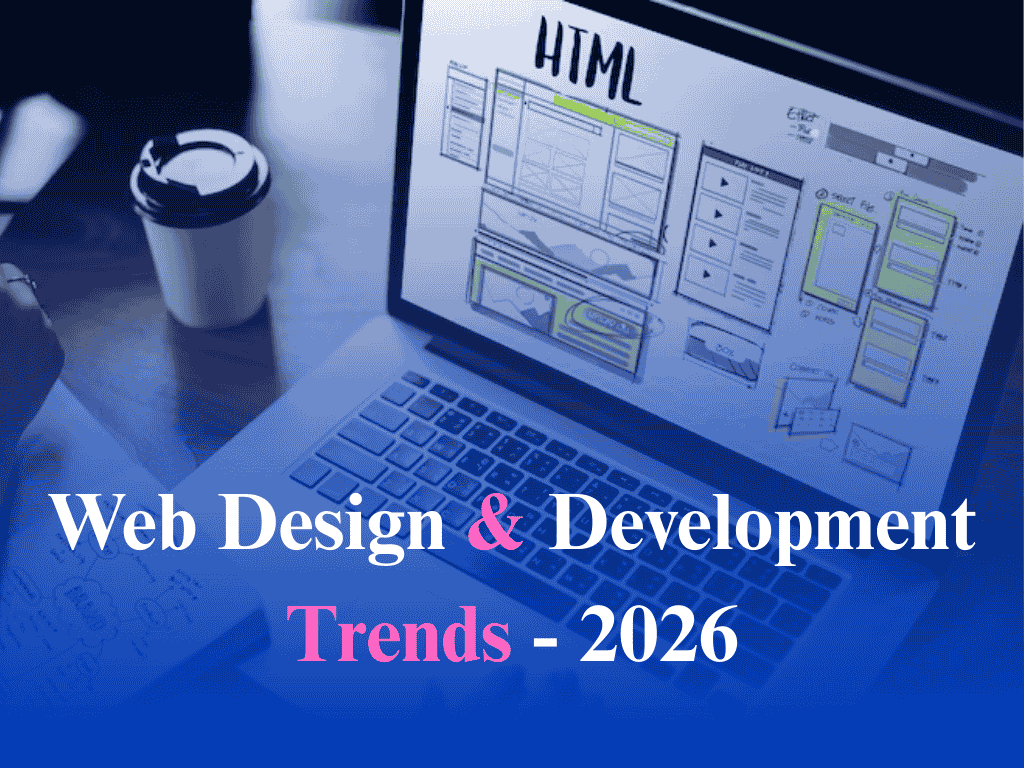
In 2026, buyers judge brands in seconds, and your website is usually the first “sales conversation” you have with them. That is why a modern web development agency New York is no longer focused only on aesthetics or launching quickly—it is engineering digital experiences that load fast, feel intuitive, rank consistently, and convert predictably. The best teams blend strategy, design systems, performance engineering, and SEO into one delivery workflow. They also treat Web development as a product discipline: measurable, iterative, and aligned with business outcomes.
One reason performance-led experiences are dominating is simple: speed changes user behavior. Google has reported that 53% of mobile visits are abandoned if a page takes longer than three seconds to load. That single data point explains why 2026 web teams are prioritizing performance budgets, modern stacks, and conversion-first UX patterns right from discovery.
How a web development agency New York Designs for “Instant Trust” in 2026
A web development agency New York typically starts with a trust-first layout strategy: clean hierarchy, fewer distractions, and clear proof points above the fold. In 2026, “pretty” is not enough—users want clarity. Expect bolder typography, simpler navigation, and modular pages designed to answer intent quickly.
A major shift is the move from one-off page designs to reusable components. Instead of redesigning every page from scratch, teams build a design system with pre-approved sections—hero blocks, benefit grids, testimonial sliders, feature comparisons, and conversion modules. This reduces inconsistency, speeds up releases, and makes future optimization easier.
AI-Infused UX and Content Workflows
AI is everywhere in 2026, but the winners are not the brands “using AI.” They are the brands using it with discipline. Agencies now build AI-assisted workflows for content planning, UX copy variations, internal linking suggestions, and structured page outlines—then apply human editing, brand standards, and compliance checks.
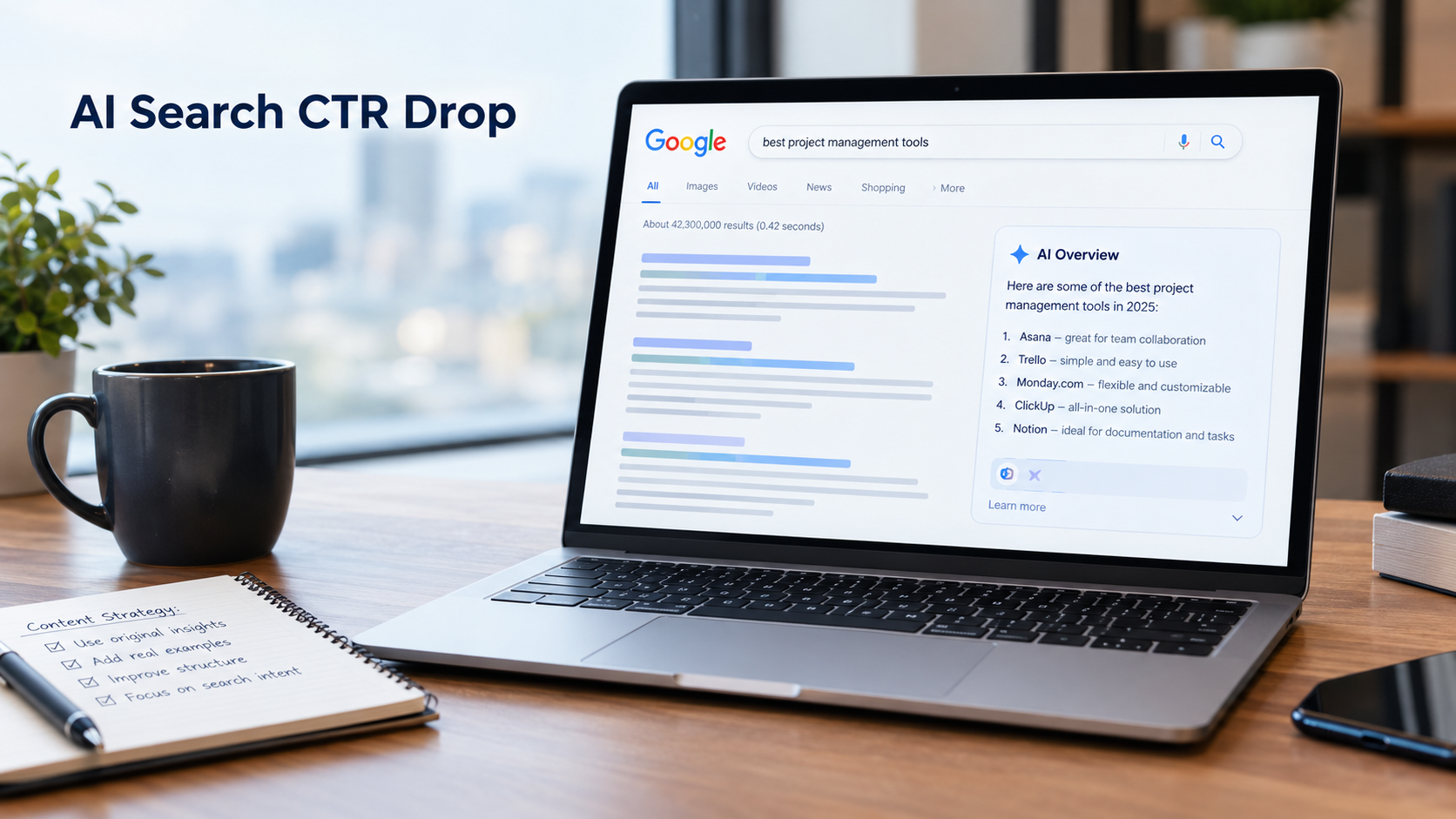
This is where AI SEO becomes a practical advantage instead of a buzzword. The goal is not to flood pages with generic text. The goal is to use AI to identify information gaps, match content format to intent, and accelerate iteration cycles—while maintaining a consistent tone and credible claims.
Headless and Composable Architecture
In 2026, many growth-focused brands are moving away from rigid, monolithic platforms and toward composable stacks. Headless CMS plus modern front-end frameworks enables faster performance, better flexibility, and easier integration with marketing tools.
Instead of “the website” being one tool, it becomes a system of specialized services: CMS, search, personalization, payments (if needed), and analytics—each best-in-class. This improves maintainability and supports continuous growth, which is exactly what high-performing Web development teams plan for.
Performance Engineering and Core Web Vitals
In 2026, performance is not a post-launch checklist item—it is a release requirement. Agencies increasingly define performance budgets (for images, scripts, and third-party tags) and enforce them in staging environments. This is partly because user expectations keep rising, and partly because search visibility is strongly tied to experience quality.
Industry reporting based on Chrome UX / HTTP Archive datasets has shown that only a portion of websites consistently pass Core Web Vitals across devices, meaning many brands still have a measurable advantage available if they invest in performance discipline. For example, reporting has cited pass rates around 57.1% on desktop versus 49.7% on mobile.
Motion with Purpose: Micro-Interactions That Guide Users
Animation is back—but in a more mature form. Instead of flashy transitions, 2026 sites use micro-interactions to clarify state changes, guide attention, and improve perceived speed. Examples include button feedback, subtle section reveals, and progress indicators in multi-step forms.
The rule is simple: motion must support comprehension. If it slows down the site, it loses. That is why modern teams combine purposeful motion with strict performance constraints and accessibility-friendly settings (including honoring reduced-motion user preferences).
Accessibility-First Design
Accessibility is no longer optional for serious brands. Agencies now design and build with accessibility patterns from the start: semantic structure, keyboard navigation, readable contrast, descriptive labels, and error messaging that actually helps.
Beyond ethics and inclusivity, accessibility improves usability for everyone. It also reduces risk—especially for brands operating at scale, where legal exposure and reputational damage can be significant. In practical terms, accessibility-first thinking forces clarity in UX, which tends to lift conversion rates.
Local Visibility and Reputation Design for Service Brands
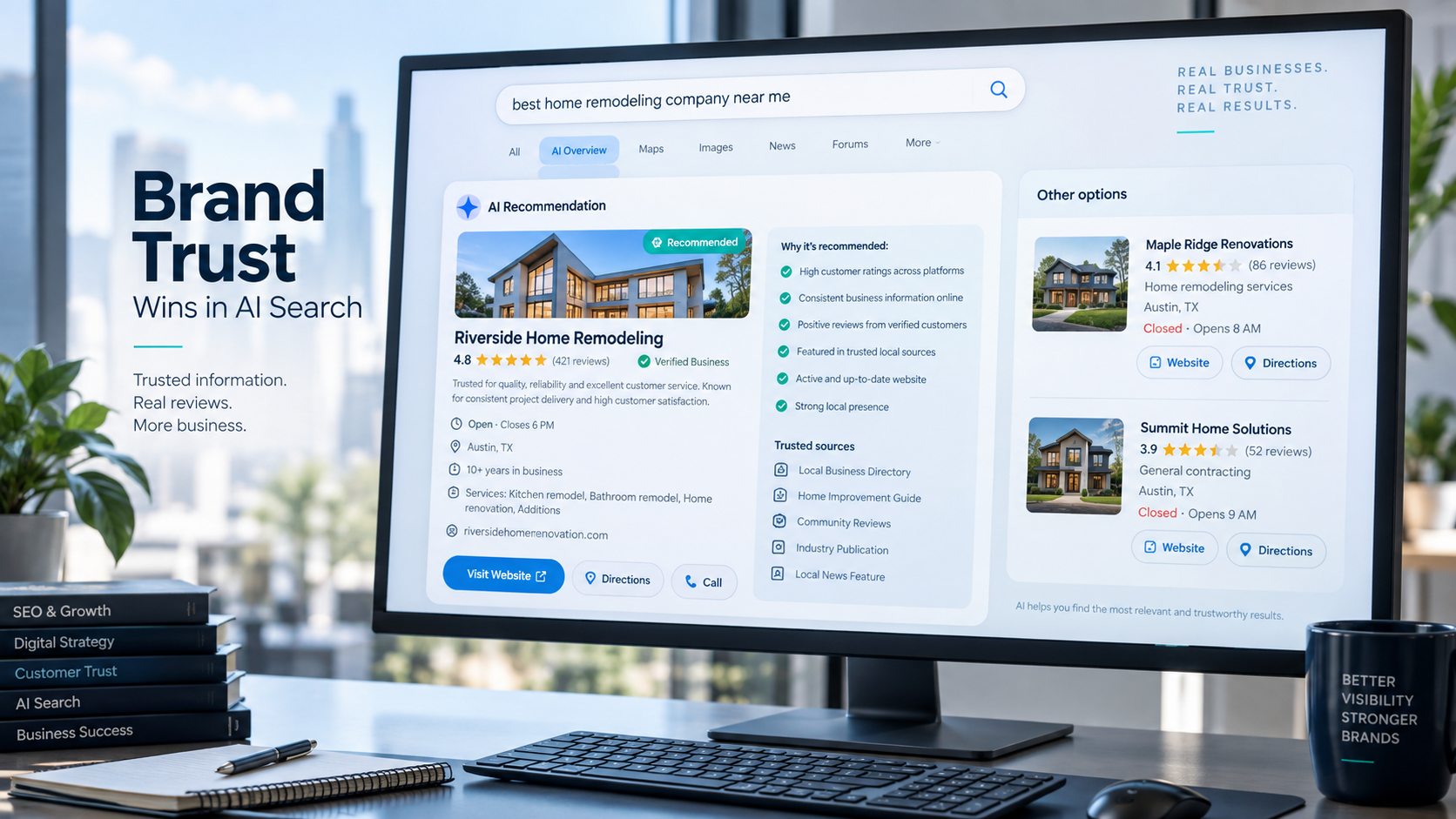
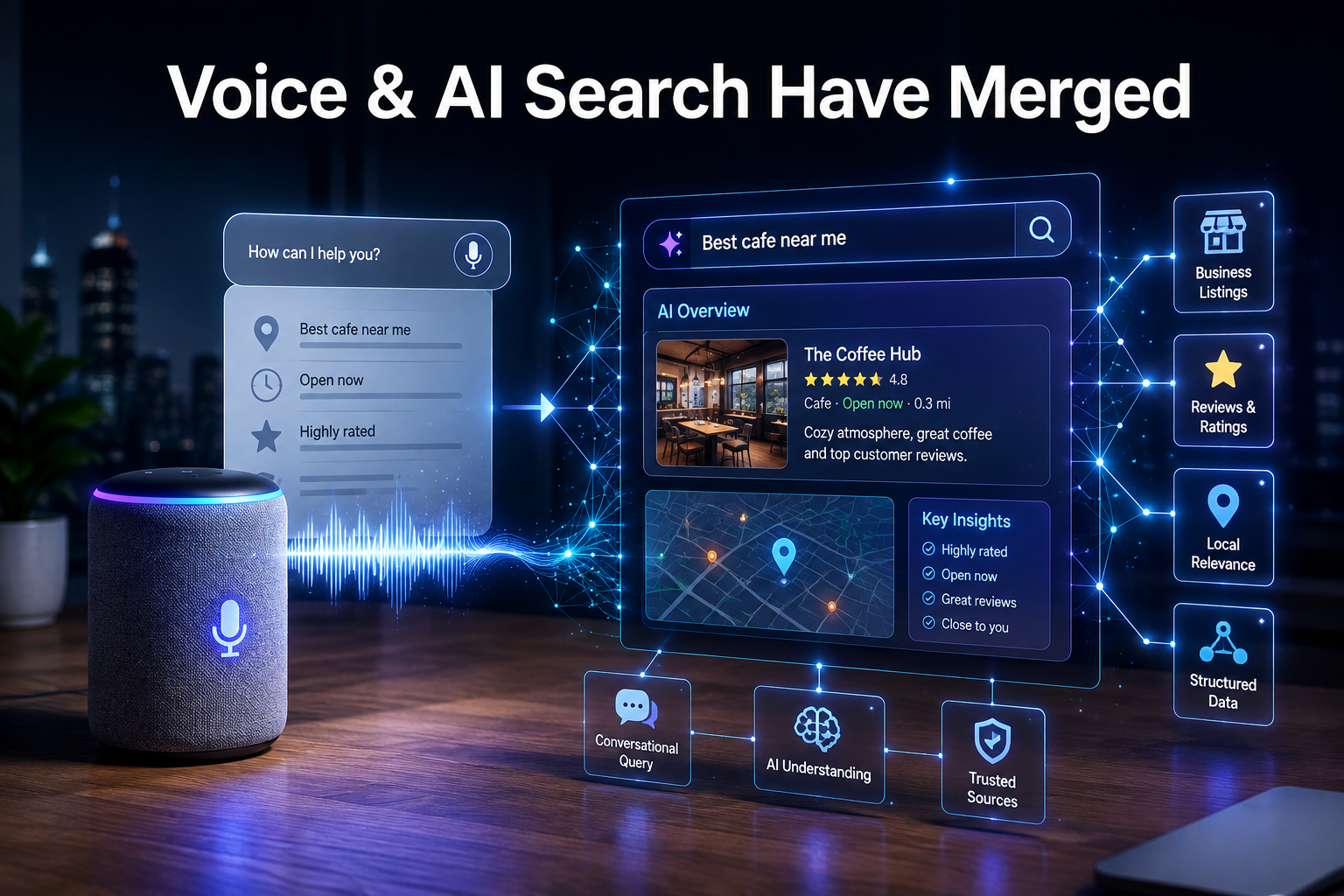
If your revenue depends on local demand, 2026 web builds increasingly include “local proof” as a design requirement—reviews, service-area clarity, location schema, and fast conversion paths.
A key pillar is your Google Business Profile. Modern web teams treat it as part of the website ecosystem, not as a separate asset. The website should reinforce what your profile communicates: consistent NAP details, relevant service pages, and trust signals that validate reviews.
SEO-Led Information Architecture and Content Hubs
In 2026, “content” is not just blog posts. Agencies are building topic clusters, comparison pages, FAQ libraries, and use-case hubs that map directly to the buyer journey. This is SEO as a product: planned, structured, and measured.
Most importantly, the best teams avoid chasing shortcuts that trigger volatility. Thin content, manipulative linking, and poor-quality AI pages increase the risk of a Google penalty and can erode trust even if rankings temporarily rise.
Practical 2026 Checklist for Brands Competing in New York
Use this as a quick benchmark when evaluating your roadmap or your agency partner:
- Does the stack support fast releases without breaking design consistency?
- Are performance metrics enforced before launch (not after)?
- Is accessibility included in design and QA, not treated as an add-on?
- Is your Google Business Profile aligned with on-site service pages and trust signals?
- Are you building content hubs that support SEO and conversions together?
- Is tracking configured to measure leads and revenue outcomes?
- Are third-party scripts tightly governed to protect speed and privacy?
Conclusion: What to Expect From a web development agency New York in 2026
In 2026, a dedicated web development agency New York is not simply delivering pages—it is delivering a conversion system that combines UX clarity, performance engineering, security standards, and measurable search visibility. With user expectations rising and competition intensifying across New York, brands that treat their websites as living products will outperform those that treat them as static brochures. The right agency will align design trends with business fundamentals, integrate Google Business Profile and local SEO marketing strategy into the build, and ensure your site stays resilient, fast, and trustworthy as the market evolves.